Living Well With Parkinson’s: Practical Ways to Protect Independence and Quality of Life
This guide focuses on day-to-day strategies that help people live well with Parkinson’s while supporting caregivers and reducing crisis moments.



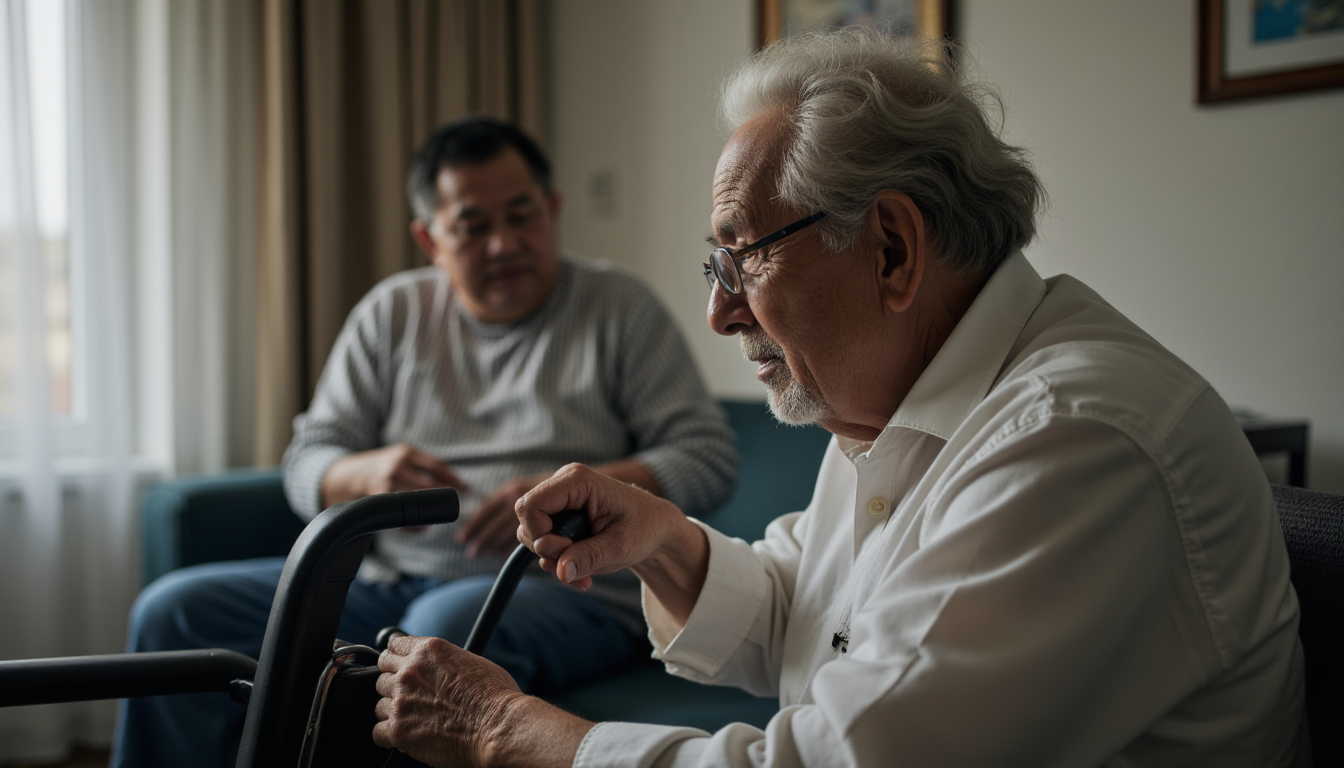
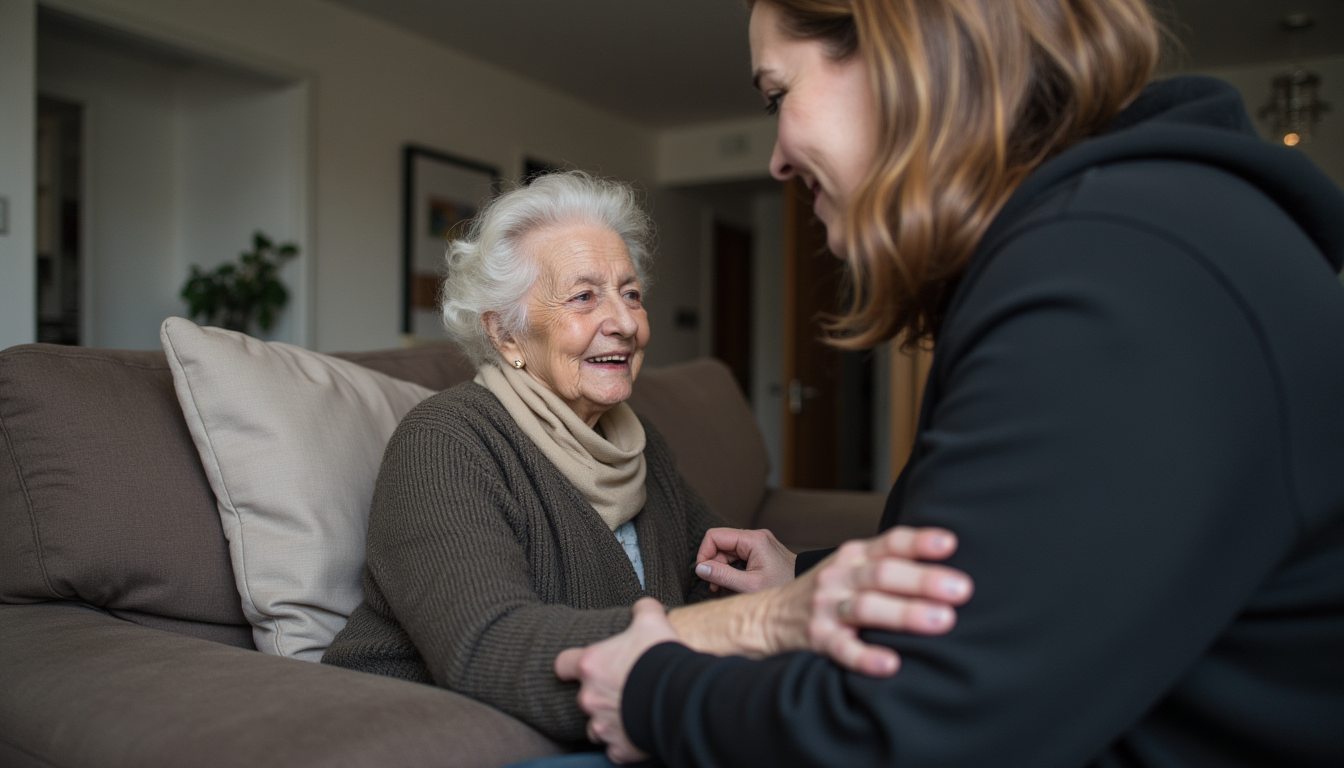
This guide focuses on day-to-day strategies that help people live well with Parkinson’s while supporting caregivers and reducing crisis moments.
Below are the core “big buckets” of Parkinson’s: what it is, how it shows up, how it’s diagnosed, and how it’s treated.
“Giving voice to the voiceless” is not a slogan. It’s a commitment to listen better, speak up when systems fail, and build communities where people living with Parkinson’s are treated with dignity and real support—not pity.
Parkinson’s disease is a progressive neurological disorder that affects how the brain controls movement. It’s commonly linked to reduced dopamine activity in brain circuits involved in coordination, speed, and smooth motion.
Parkinson’s disease affects millions of families—often quietly, behind closed doors. Many people want to help but don’t know where to start.
Daily health habits matter at every stage of Parkinson’s disease—not because they cure the disease, but because they can improve energy, mood, safety, and quality of life. The goal is practical support, not perfection.
When Parkinson’s enters a family’s life, planning can feel overwhelming. It may even feel “too soon.” But early planning is one of the kindest things you can do—because later, choices can become limited.
People want to know: Can Parkinson’s be prevented? While no method guarantees prevention, research increasingly supports something powerful: many risk factors are modifiable. That means healthier choices can potentially reduce risk or delay symptoms—especially when started earlier.
One of the most common and heartfelt questions families ask is: “Will there be a cure for Parkinson’s?” The honest answer is: researchers are making progress, but Parkinson’s is complex.
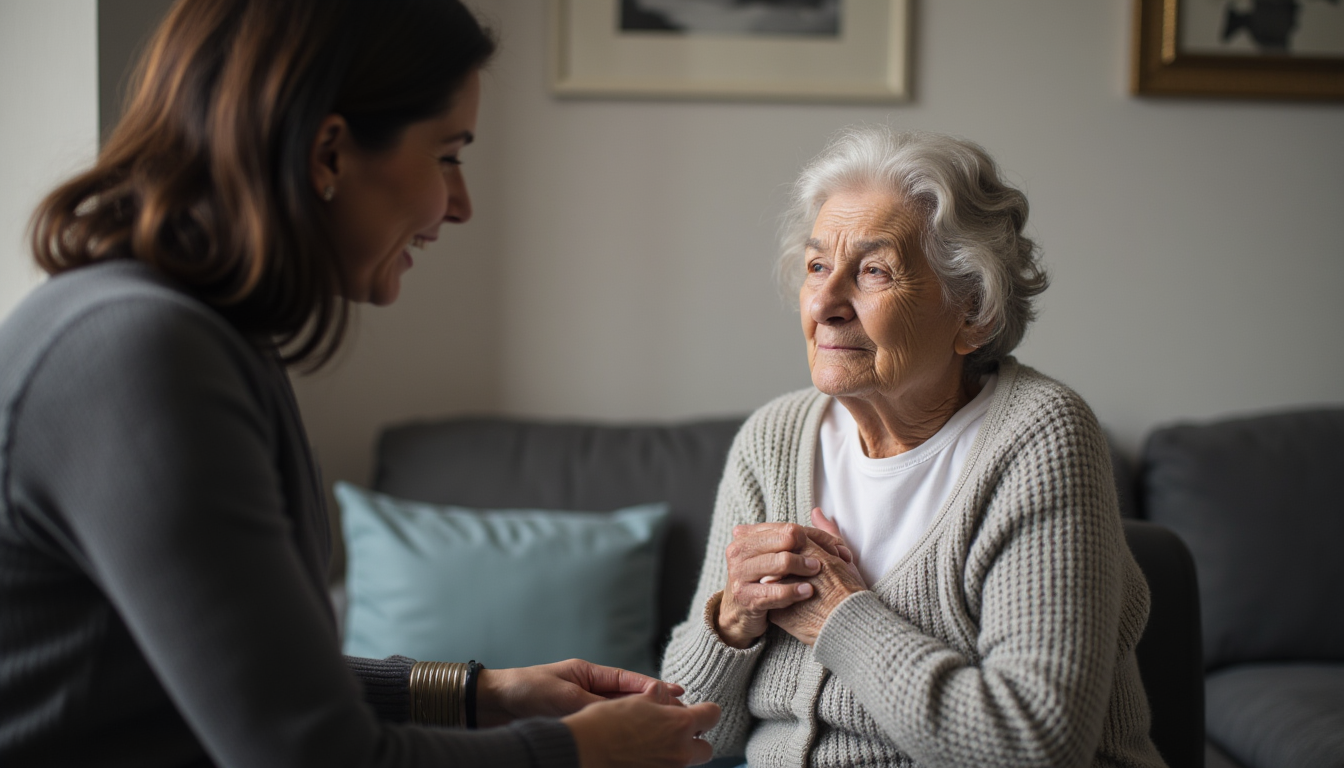
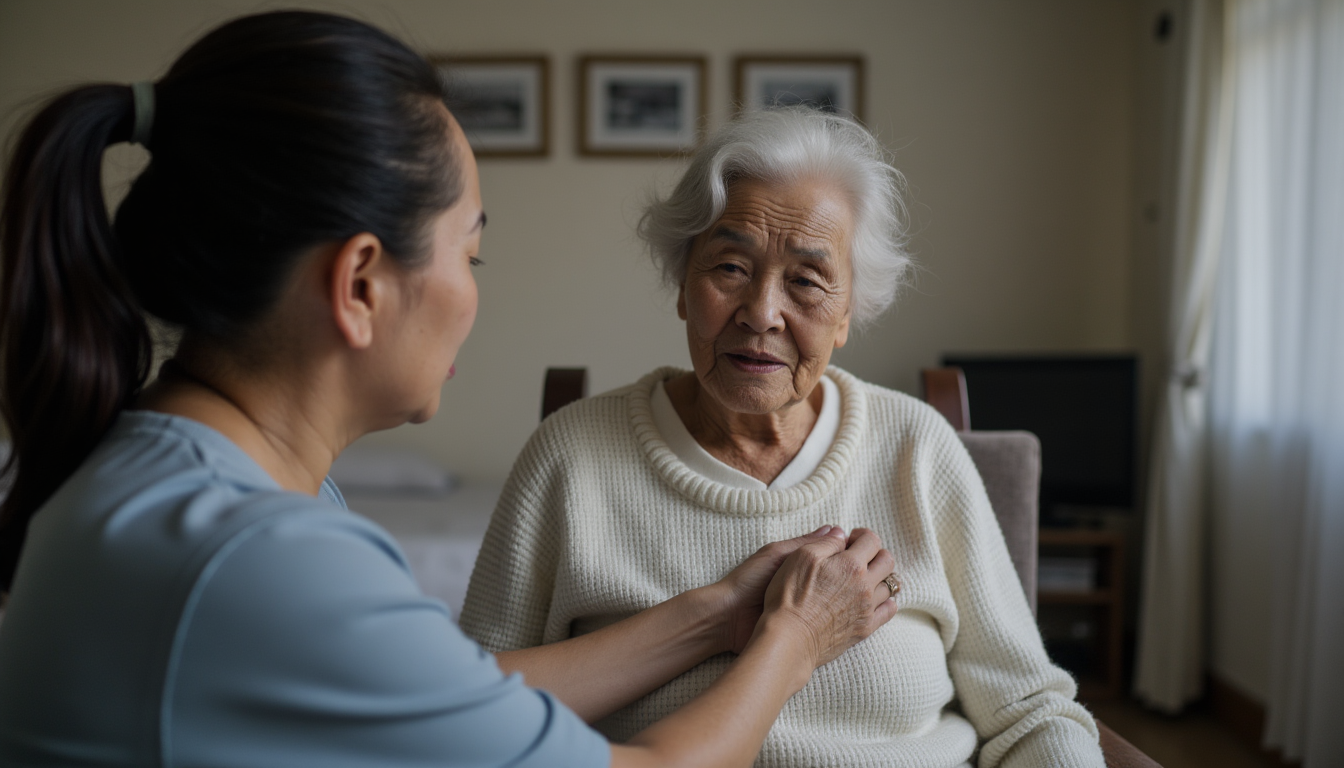
Caring for someone with Parkinson’s disease is an act of love—but it can also be exhausting, confusing, and emotionally painful. Many caregivers are learning as they go. If that’s you, you’re not failing. You’re doing something incredibly difficult.