

Living Well With Parkinson’s: Practical Ways to Protect Independence and Quality of Life

A Parkinson’s diagnosis can feel like the ground shifts beneath you. But Parkinson’s is not a single straight line, and it is not the end of a meaningful life. Many people live for years—sometimes decades—building routines, adapting intelligently, and staying connected to what matters.
This guide focuses on day-to-day strategies that help people live well with Parkinson’s while supporting caregivers and reducing crisis moments.
1) Make Exercise Non-Negotiable (Even in Small Doses)
Exercise is one of the strongest tools for Parkinson’s—because it supports mobility, balance, mood, sleep, and confidence. Parkinson’s-focused organizations emphasize that exercise and physical therapy help maintain mobility and function. Clinical research also supports physical therapy as an effective complement to medication for gait and postural stability.
Good options include:
-
Walking (with safe routes and supportive footwear)
-
Strength training (even light resistance)
-
Stretching and posture work
-
Balance exercises and guided physiotherapy
-
Dance, boxing-style classes, tai chi, or cycling (when appropriate)
Consistency beats intensity. Ten minutes daily is better than one perfect workout monthly.
2) Build Your Day Around Symptom Patterns
Many people notice their best and hardest times of day. You can use that pattern strategically:
-
Schedule errands or social activities during “best” hours
-
Reserve quieter tasks for low-energy periods
-
Plan rest breaks before fatigue hits
This reduces stress for both the person with Parkinson’s and the caregiver.
3) Medication Timing and “Wearing Off”
Some people experience symptom fluctuations between medication doses (often described as “wearing off”). If movement becomes suddenly harder before the next dose, track:
-
time of dose
-
time symptoms return
-
sleep quality
-
meals (some people notice interactions with timing/food)
Bring the pattern to your clinician—treatment plans often improve when the schedule is adjusted.
4) Home Safety That Preserves Freedom
A safer home helps people stay independent longer:
-
Remove loose rugs and clutter
-
Add grab bars and non-slip bathroom mats
-
Improve lighting in hallways and stairs
-
Use stable chairs with arms for easier standing
-
Keep frequently used items at waist height
-
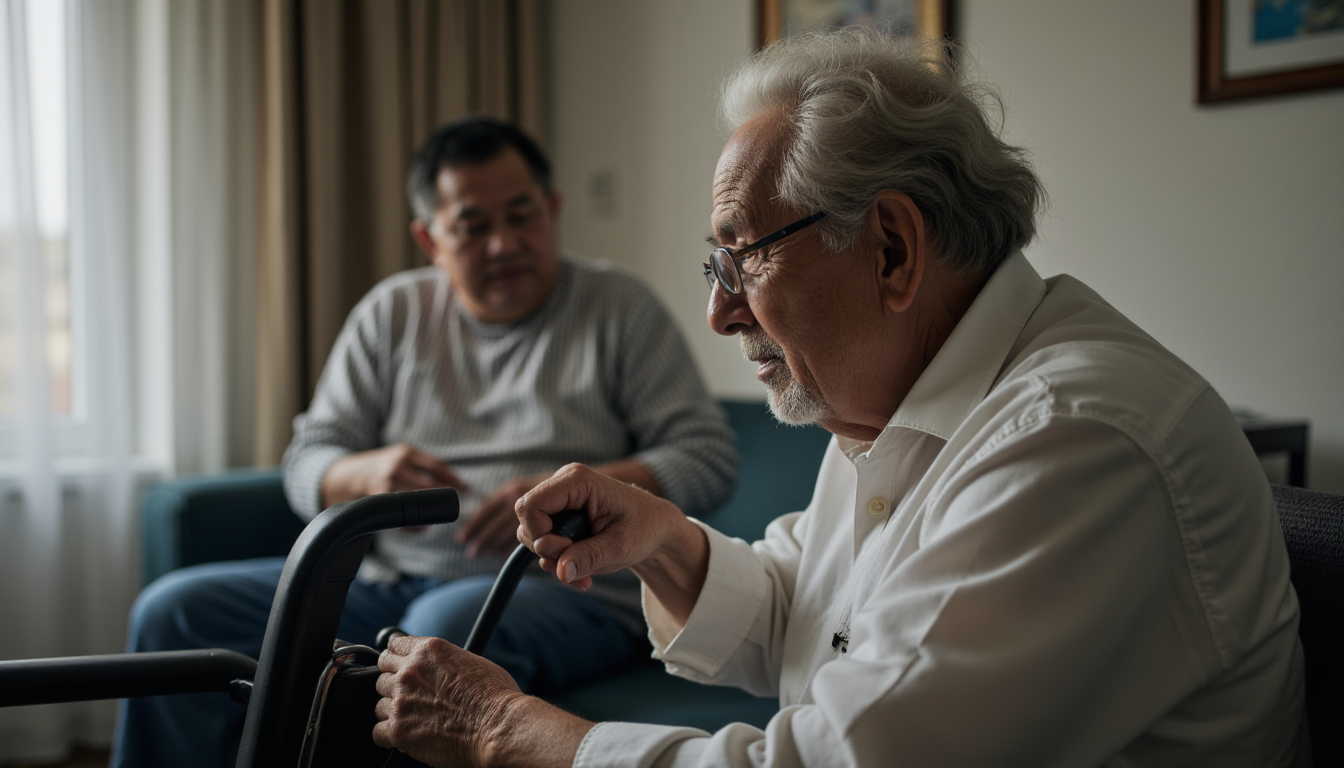
Consider mobility aids early (before falls happen)
Falls are not “bad luck.” They’re often predictable—and preventable.
5) Freezing of Gait: Practical “Unsticking” Tricks
If freezing happens (feet feel glued), some strategies people use include:
-
Shift weight side to side before stepping
-
March in place briefly
-
Step over an imaginary line (or a real line like a strip of tape at home)
-
Use rhythmic cues (counting or music)
-
Avoid rushing through doorways or tight turns
A physiotherapist can tailor cueing strategies to the individual.
6) Protect Speech, Swallowing, and Social Confidence
Speech changes and swallowing issues can develop in Parkinson’s. Speech therapy can help with voice volume, clarity, and safer swallowing strategies.
Social tip: ask friends/family to slow down conversations and reduce background noise. The goal is inclusion—without forcing the person to “keep up.”
7) Sleep, Mood, and the “Invisible” Symptoms
Non-motor symptoms like sleep disruption, depression, anxiety, constipation, and loss of smell are common and can appear early. Treating these symptoms can dramatically improve quality of life—so they deserve the same attention as tremor.
Simple supports:
-
morning light exposure
-
consistent bedtime routines
-
daily movement
-
mental health support (therapy, support groups)
-
hydration and fiber for constipation (plus medical guidance when needed)
8) Advanced Options: When Medication Isn’t Enough
For some people, deep brain stimulation (DBS) may help control certain movement symptoms when medications alone aren’t sufficient, and it tends to work best in people who respond well to levodopa. DBS isn’t a cure and doesn’t stop progression, but it can improve quality of life for select candidates.
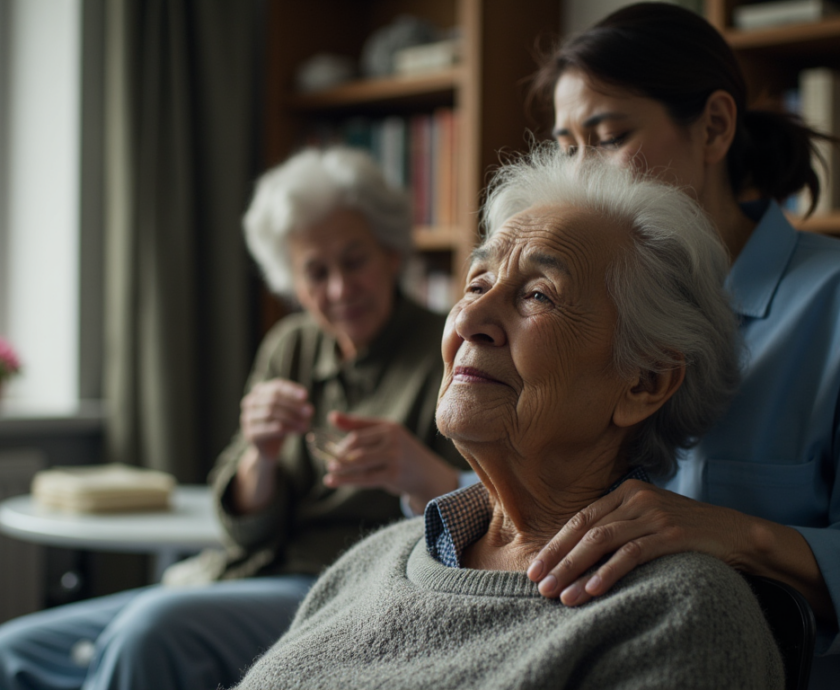
9) Caregiving That Lasts: Build a Support System Early
Caregiving can be physically and emotionally demanding. Protect the caregiver with:
-
scheduled respite (not “when there’s time”)
-
a shared task list among family/friends
-
support groups
-
realistic boundaries and recovery time
A sustainable plan prevents burnout and protects relationships.
Living Well Is Still Possible
Parkinson’s changes the path—but it doesn’t erase purpose. With smart routines, therapy, community support, and medical care, many people continue to live full lives.