
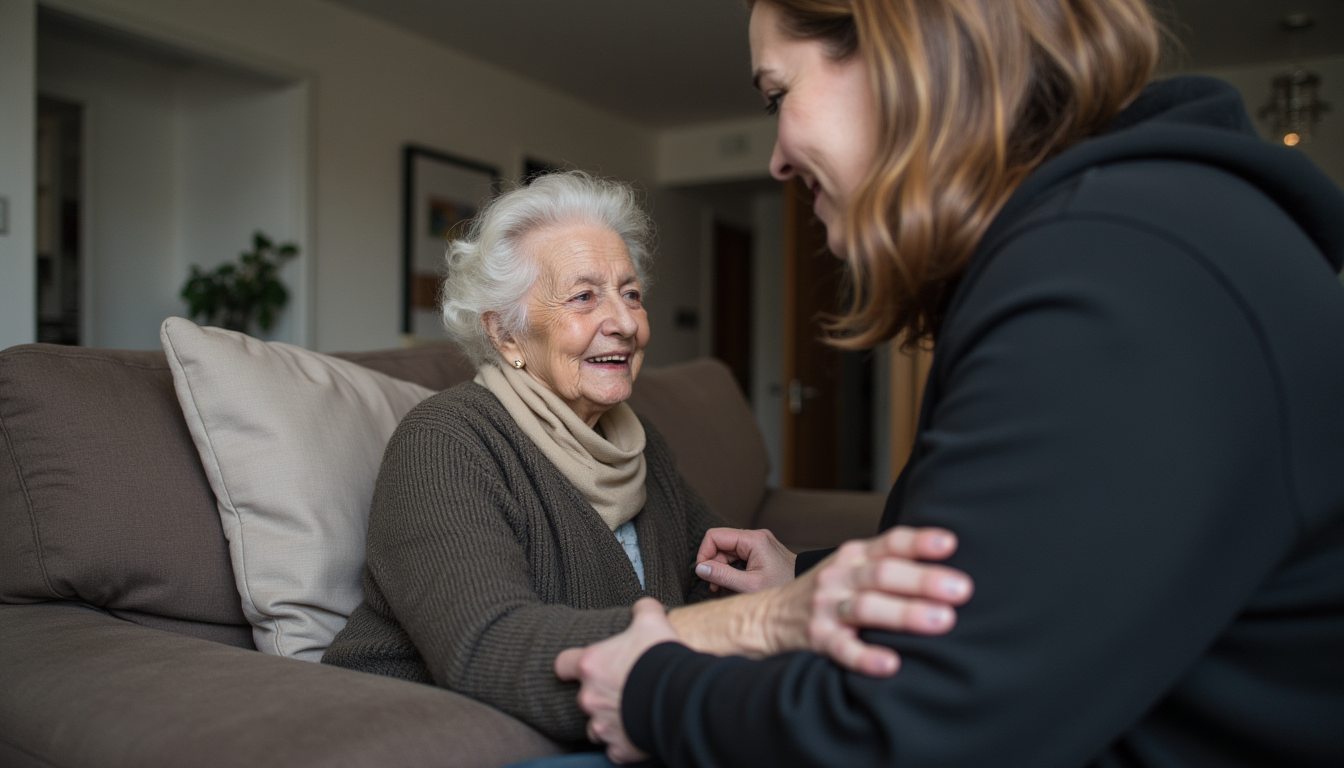
Giving Voice to the Voiceless of Parkinson’s Disease

Parkinson’s disease is often described as a movement disorder—but that label doesn’t capture the whole story. Parkinson’s can quietly reshape a person’s confidence, identity, and independence long before the world understands what’s happening. For many people, the hardest part isn’t only tremor or stiffness. It’s the experience of being misread, rushed, spoken over, or slowly becoming invisible in a society that doesn’t slow down.
“Giving voice to the voiceless” is not a slogan. It’s a commitment to listen better, speak up when systems fail, and build communities where people living with Parkinson’s are treated with dignity and real support—not pity.
The Symptoms People Don’t See
Parkinson’s is widely known for movement-related symptoms like tremor, slowness, and stiffness. But many of the most disruptive challenges are non-motor symptoms that can be harder for others to notice—and sometimes appear years before diagnosis.
These can include:
Sleep disturbances (including REM sleep behavior disorder)
Depression, anxiety, and apathy
Fatigue and pain
Constipation and dizziness on standing (autonomic symptoms)
Cognitive changes (slower thinking, attention issues)
Loss of smell (hyposmia)
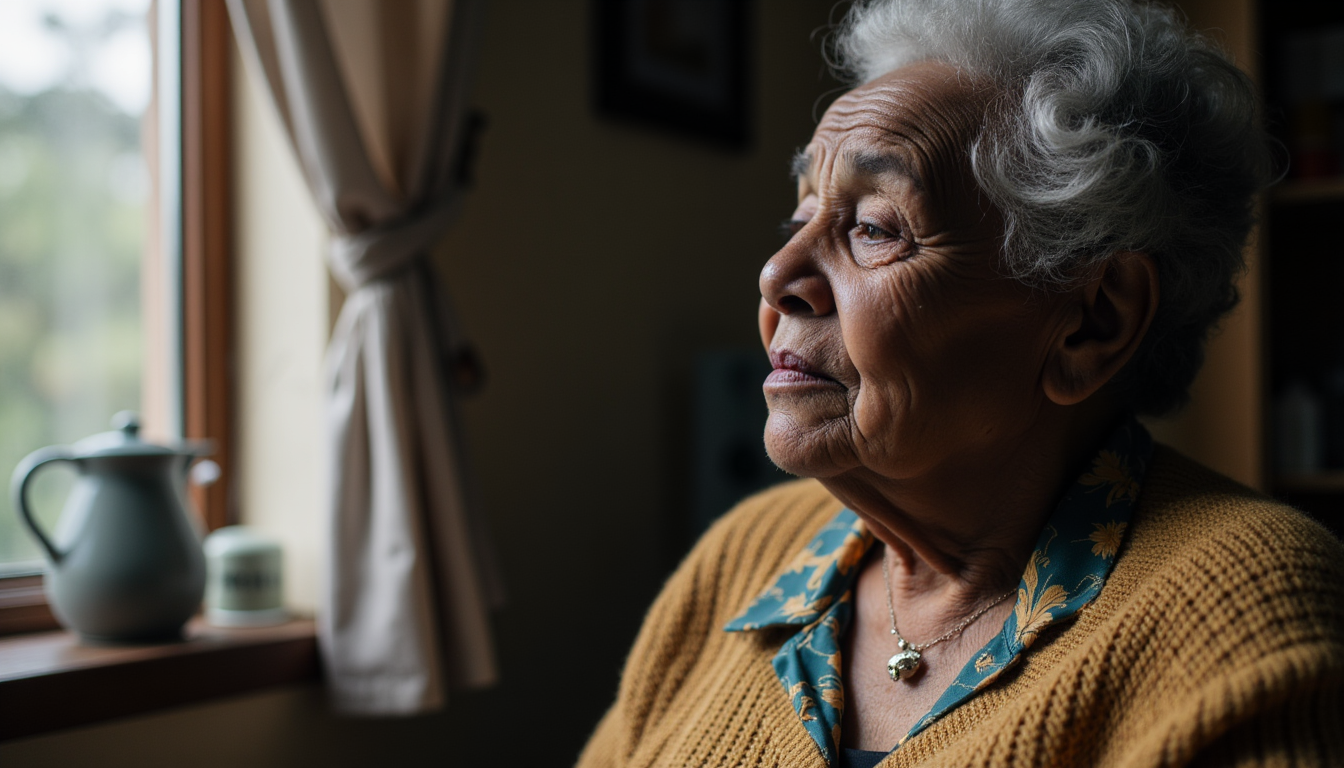
When symptoms are invisible, people are often misunderstood. Someone may look “fine” in public yet struggle intensely at home. That mismatch can create isolation—because others don’t realize how much effort it takes just to get through a normal day.
When Communication Changes, People Get Overlooked
A major reason Parkinson’s can make someone feel voiceless is that it can affect communication:
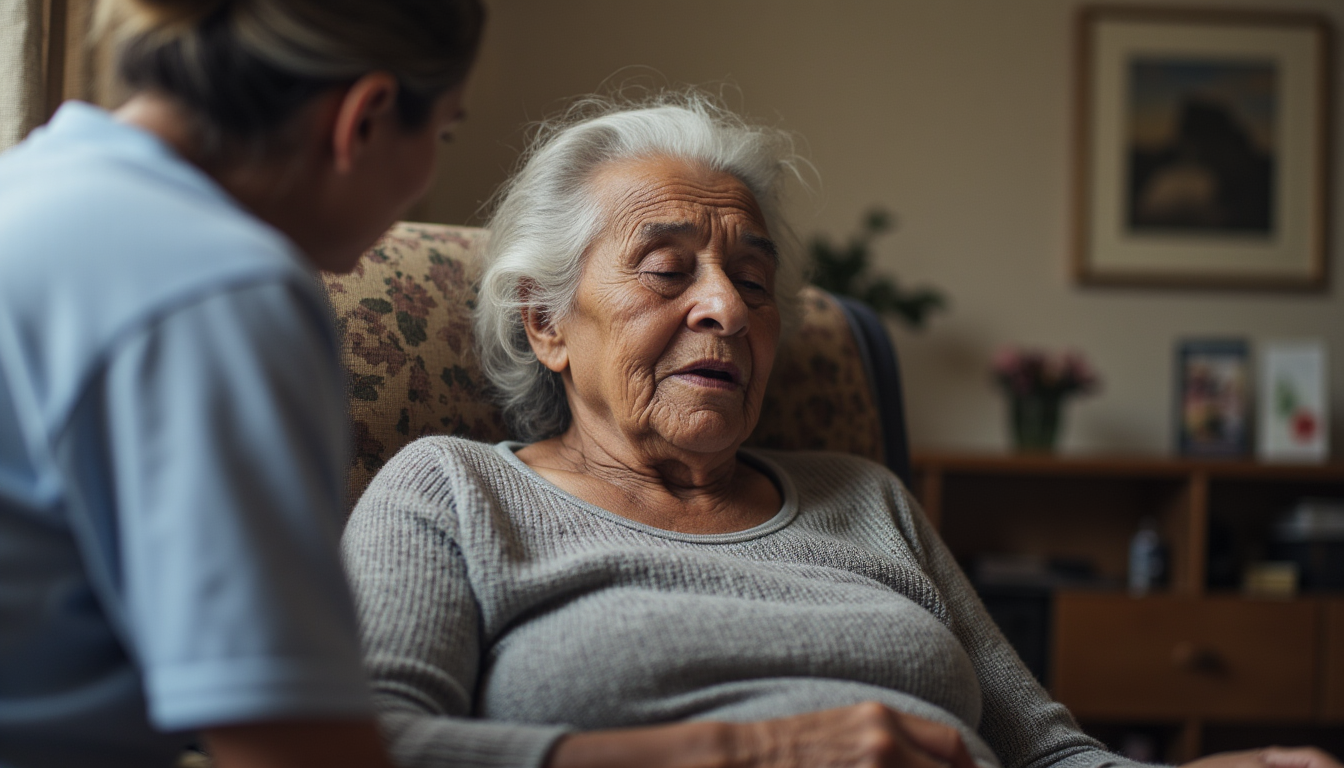
Speech may become softer or less clear
Facial expression may reduce (“masking”), which can be mistaken for disinterest
Processing speed may slow, so responses take longer
In a fast conversation, this can lead to painful outcomes:
People interrupt or finish sentences
The conversation moves on without them
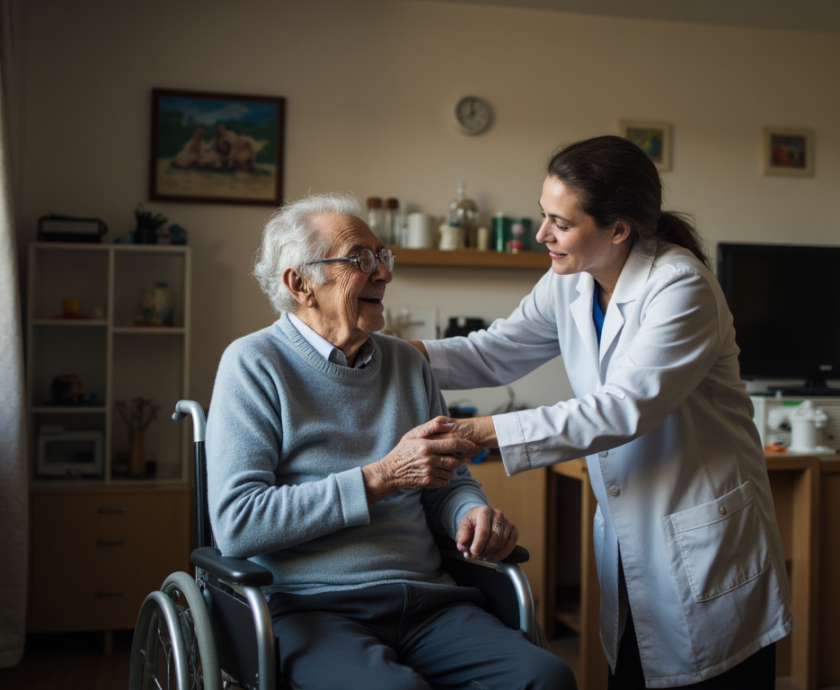
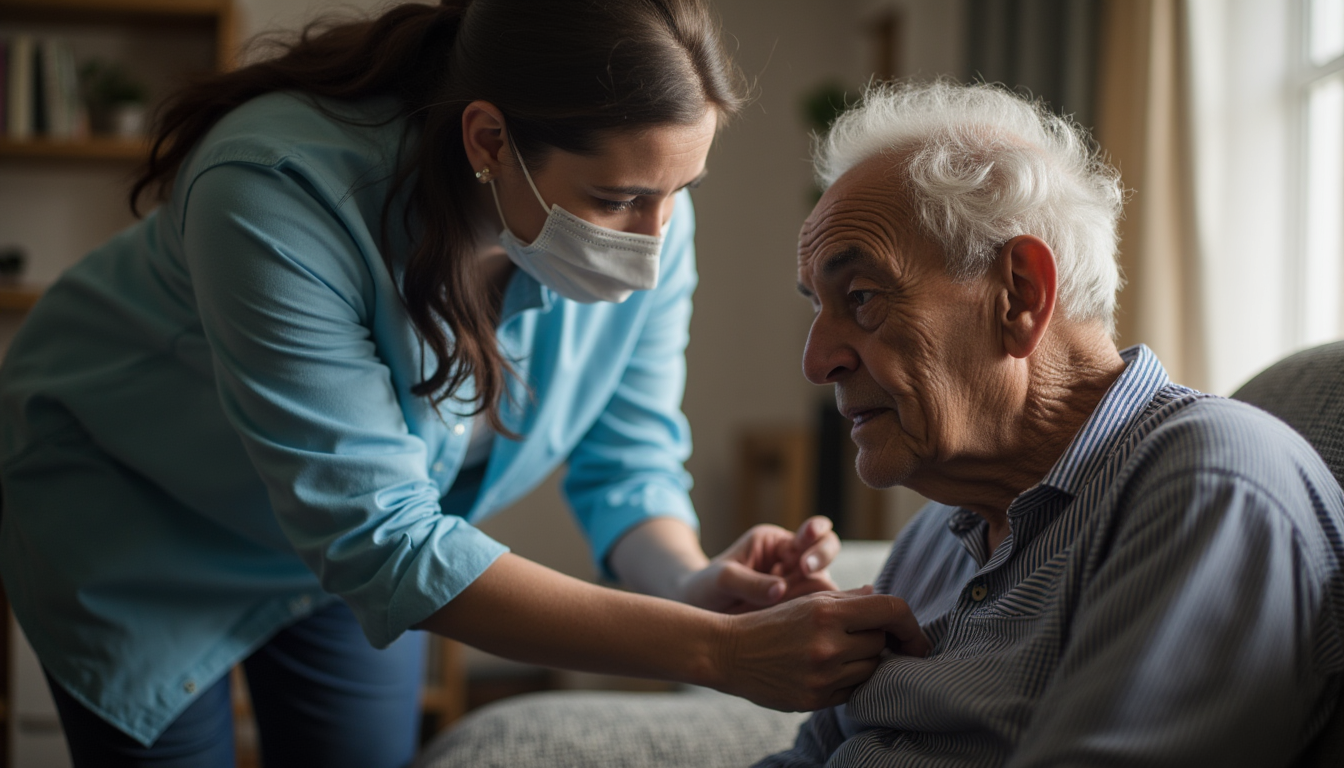
Care decisions are made “around” them, not “with” them
They’re treated as less capable than they are
But Parkinson’s doesn’t erase personhood. It may change the delivery of a thought, not the value of the thought.
What “Giving Voice” Looks Like in Real Life
It starts with a few simple, powerful habits:
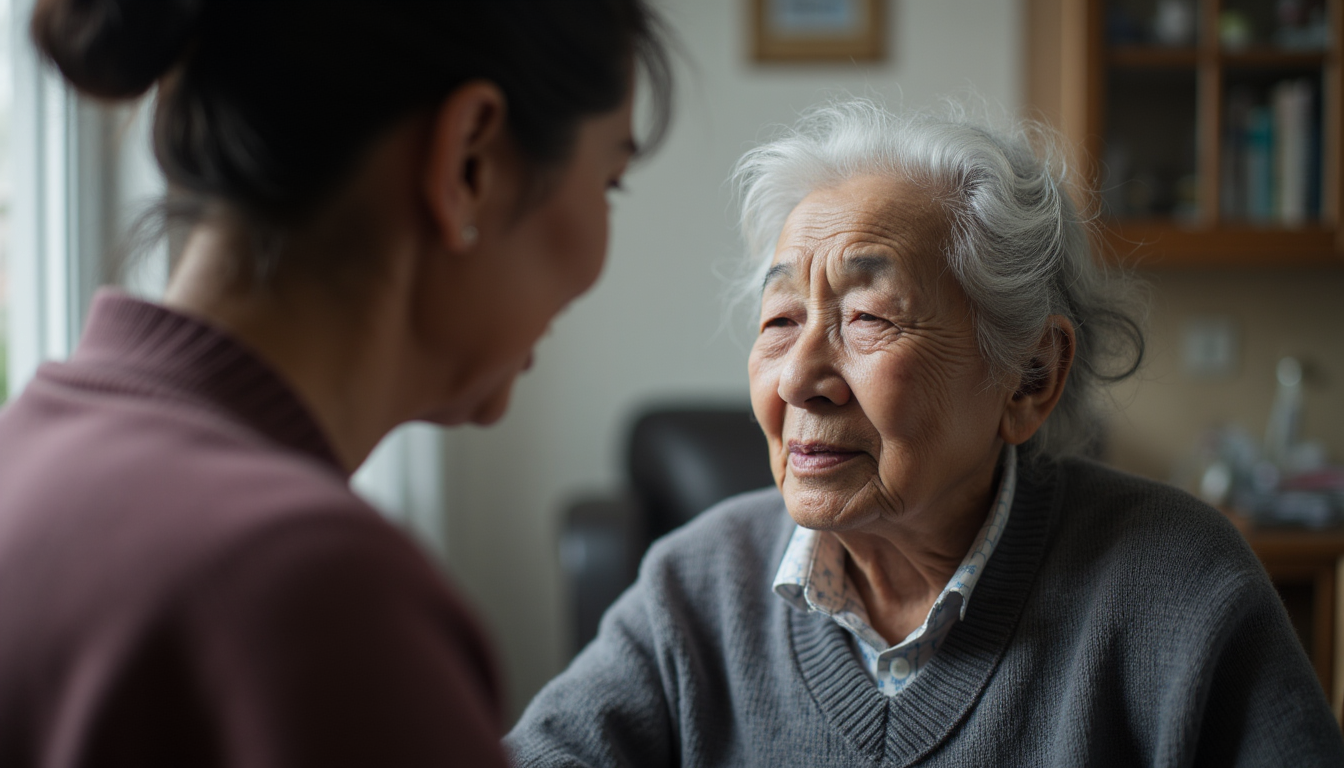
1) Speak to the person—not about them.
Even if a caregiver is present, direct questions to the person first.
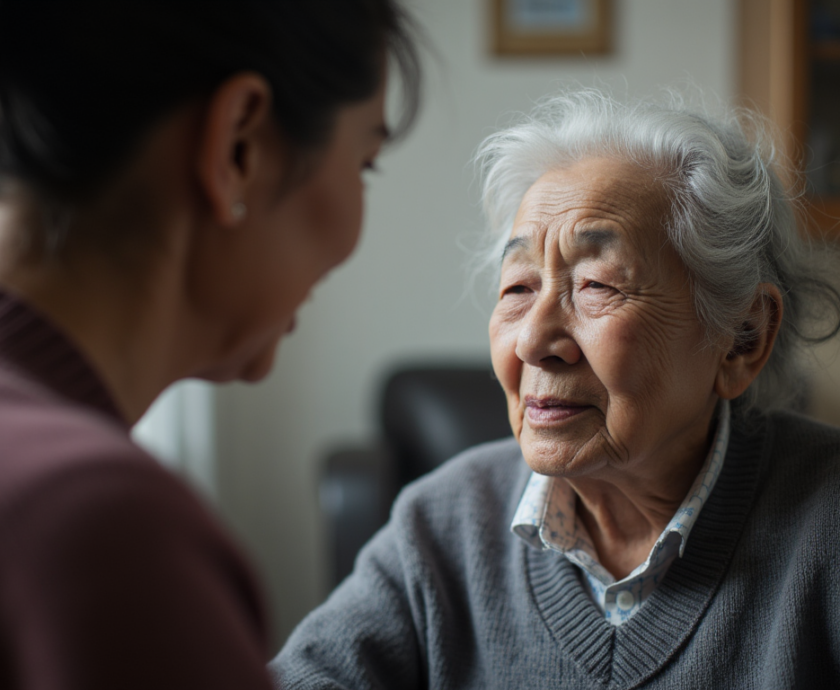
2) Slow the pace.
Leave space for pauses. Don’t rush to fill silence.
3) Don’t confuse quiet with confusion.
A softer voice or masked expression doesn’t equal lack of understanding.
4) Respect autonomy.
Offer choices when possible. Ask what support feels helpful.
5) Validate emotions, not just facts.
If someone feels embarrassed, anxious, or frustrated, that feeling is real and deserves compassion.
Advocacy: Turning Voice Into Change
Giving voice also means changing the environment—not forcing the person to “keep up.” Advocacy can include:
Better access to diagnosis and specialized care
More community programs and caregiver respite
Workplaces that offer accommodations instead of quiet exclusion
Public awareness that Parkinson’s includes non-motor symptoms, not just tremor
This is how we reduce stigma: by replacing assumptions with understanding.
How You Can Help Right Now
You don’t need a medical degree to make a real difference:
Learn the full picture of Parkinson’s (motor + non-motor)
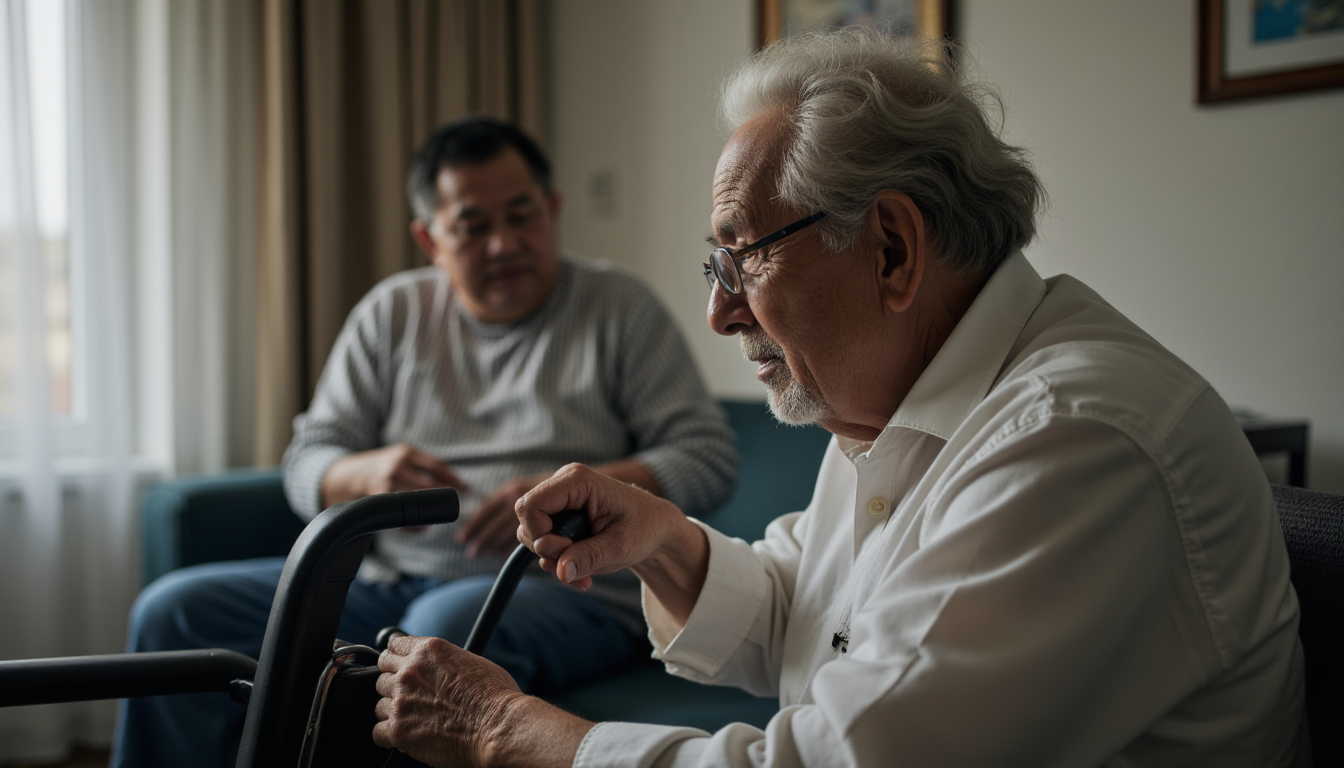
Offer practical support (rides, meals, appointment help)
Invite the person into decisions instead of speaking for them
Support caregivers, who often carry heavy burnout risk
Donate and fundraise to strengthen education, services, and research
A Future Where No One Is Invisible
Parkinson’s may change how someone moves or speaks, but it doesn’t reduce their worth. Giving voice means refusing to let Parkinson’s shrink someone’s place in the world—at the dinner table, in healthcare, at work, and in community life.
Because the most powerful thing we can offer is not sympathy. It’s visibility, respect, and action.