



Giving Voice to the Voiceless of Parkinson’s Disease
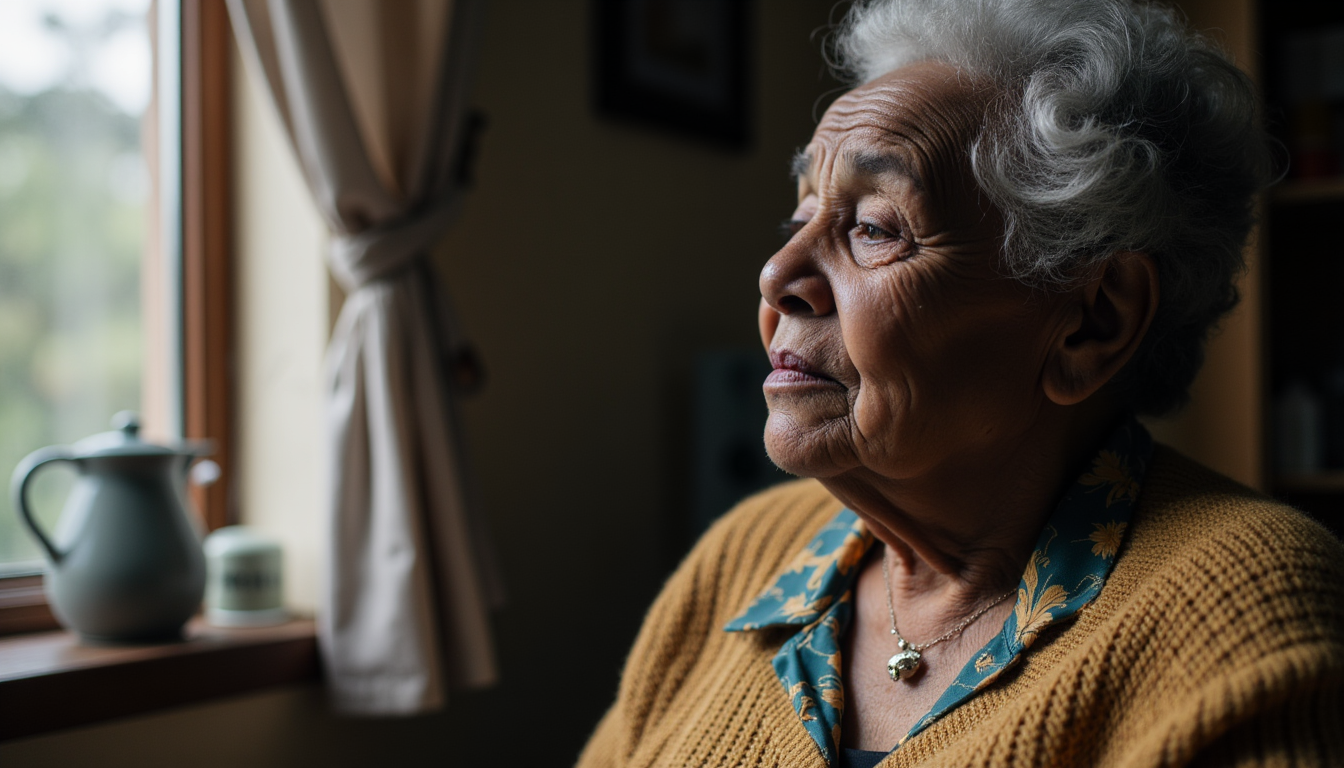
Parkinson’s disease is often described as a movement disorder—but that description doesn’t capture the full reality. Parkinson’s can quietly reshape a person’s independence, identity, confidence, and relationships long before the world sees what’s happening. For many, the hardest part isn’t just the tremor or stiffness. It’s the feeling of being misunderstood, spoken over, or slowly becoming invisible in a society that moves too fast to notice.
“Giving voice to the voiceless” isn’t a slogan. It’s a responsibility. It means listening to people living with Parkinson’s, amplifying their experiences, and building a world that supports them with dignity and practical action.
The “Silent” Side of Parkinson’s
Parkinson’s has symptoms most people recognize—tremors, slow movement, rigid muscles, balance challenges. But many of the most disruptive symptoms are non-motor and often overlooked:
Anxiety and depression
Sleep disruption and fatigue
Cognitive changes (slower thinking, memory difficulties)
Pain, dizziness, and digestive issues
Speech and swallowing difficulties
Facial masking (reduced facial expression), which can be mistaken for disinterest
Social withdrawal due to embarrassment or exhaustion
When these symptoms go unseen, people may feel isolated or judged. Someone might look “fine” one day and struggle immensely the next. Parkinson’s doesn’t always show up in obvious ways—and that’s exactly why people can feel voiceless.
When Speech Changes, People Get Overlooked
One of the most heartbreaking realities is how Parkinson’s can affect communication. Many individuals experience softer speech (hypophonia), slurred words, or difficulty finding words. Others have facial masking that makes emotions harder to read. In public, this can lead to painful misunderstandings:
People assume the person is confused, intoxicated, or not paying attention
Conversations move on too quickly
The person is excluded from decisions because it takes longer to respond
Caregivers or family members answer for them—even with good intentions
This is where “voiceless” becomes real: not because the person has nothing to say, but because the world doesn’t slow down long enough to hear them.
Dignity Begins with Listening
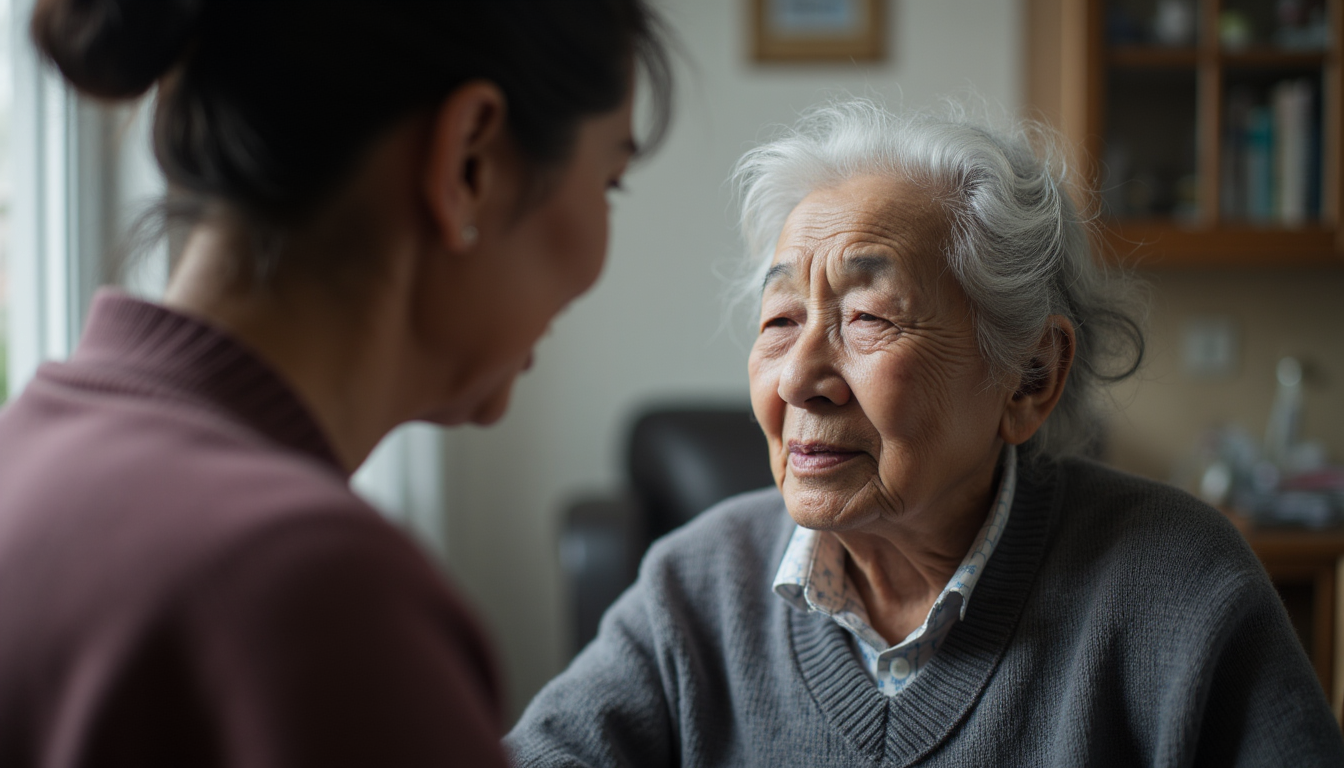
Giving voice starts with a simple shift: talk to the person, not around them.
If you’re supporting someone with Parkinson’s:
Give them time to speak without rushing
Maintain eye contact and be patient with pauses
Ask questions directly, even if a caregiver is present
Avoid finishing sentences unless they ask for help
Don’t mistake quiet speech for lack of intelligence or awareness
Communication isn’t just about words. It’s about respect.
The Emotional Weight People Don’t See
Parkinson’s can create grief in layers: grief for the life someone used to live, grief for the body that doesn’t cooperate, grief for spontaneity, work, hobbies, and relationships that change under pressure.
Many people experience:
Fear about progression
Frustration from daily limitations
Shame or embarrassment in public
Loss of confidence and identity
Loneliness, even surrounded by family
Giving voice means recognizing these emotions as valid. It means creating safe spaces for honesty—without forcing positivity or minimizing the struggle.
Giving Voice Through Community and Advocacy
A voice grows stronger when it’s supported.
Communities can amplify people living with Parkinson’s by:
Funding support programs and caregiver education
Creating Parkinson’s-friendly community spaces and services
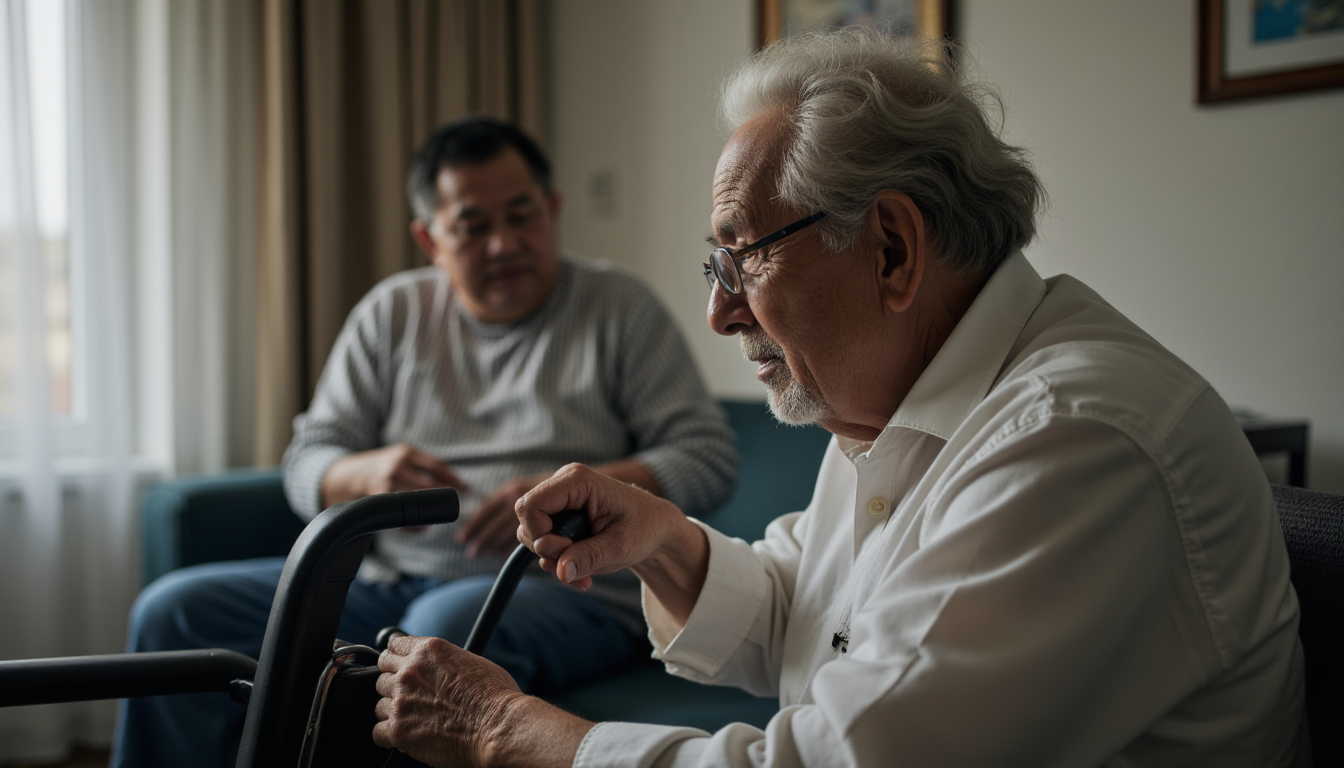
Supporting accessible transportation and mobility solutions
Advocating for faster diagnosis pathways and better care access
Promoting workplace accommodations and disability protections
Encouraging participation in research and clinical trials where appropriate
When systems improve, people don’t have to fight so hard just to be understood.
How You Can Help Right Now
You don’t need a medical degree to make a real difference. Here are meaningful ways to support people living with Parkinson’s:
Learn the full picture of Parkinson’s—including non-motor symptoms
Use compassionate communication and give time for response
Offer practical help, not vague promises (rides, meals, errands, appointments)
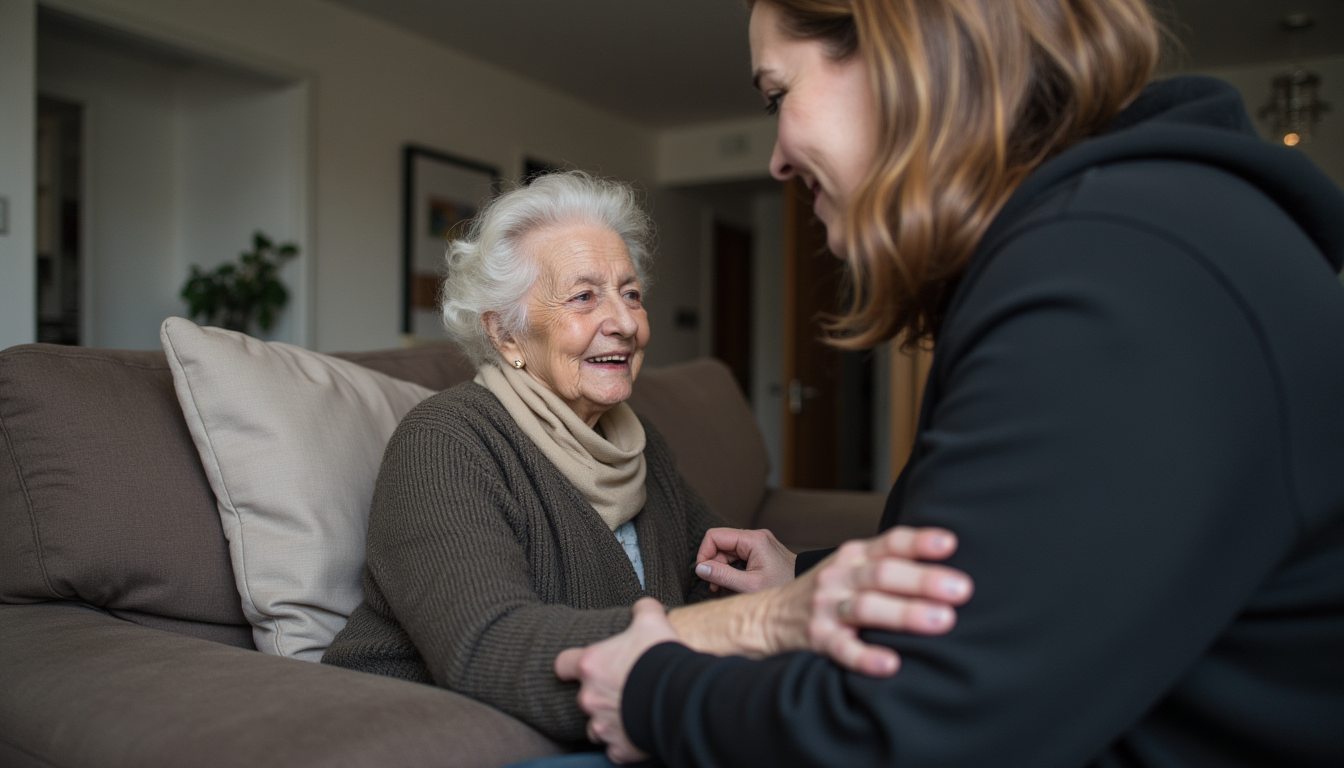
Support caregivers, who often experience burnout and isolation
Donate or fundraise for Parkinson’s education, support services, and research
Share stories with respect—awareness grows when real experiences are heard
A Future Where No One Is Invisible
Parkinson’s may change how a person moves or speaks, but it does not reduce their worth. Giving voice to the voiceless means refusing to let Parkinson’s erase someone’s presence in the world. It means making sure their needs are taken seriously, their struggles are recognized, and their humanity remains front and center.
Because the most powerful thing we can offer isn’t pity. It’s visibility, respect, and action.
If Parkinson’s has touched your life—personally or through someone you love—know this: you are not alone. And your voice matters.